| Finish | Process | Substrate | Salt spray |
|---|---|---|---|
| Antique brass | Electroplating | Brass, zinc | [F27] |
| Polished chrome | Electroplating | Brass, steel, zinc | [F27] |
| Satin nickel | Electroplating | Brass, zinc | [F27] |
| Gold and rose gold | PVD | Brass, stainless | [F27] |
| Black | PVD | Brass, stainless | [F27] |
| Bronze | Electroplating | Brass | [F27] |
| Architectural powder coat | AAMA 2605 [F31 pending confirmation] | Aluminum, steel | [F27] |
Powder Coating
Epoxy/Polyester powder coating is a hybrid thermoset powder coating that combines the superior chemical and corrosion resistance of epoxy resins with the excellent UV and weather resistance of polyester resins.
Powder coating in-house across [F13] of oven capacity, in hybrid epoxy polyester for interior parts. AAMA 2605 architectural grade for exterior parts that have to hold colour under UV for years rather than months, subject to [F31] confirmation.
Primer and Lacquering
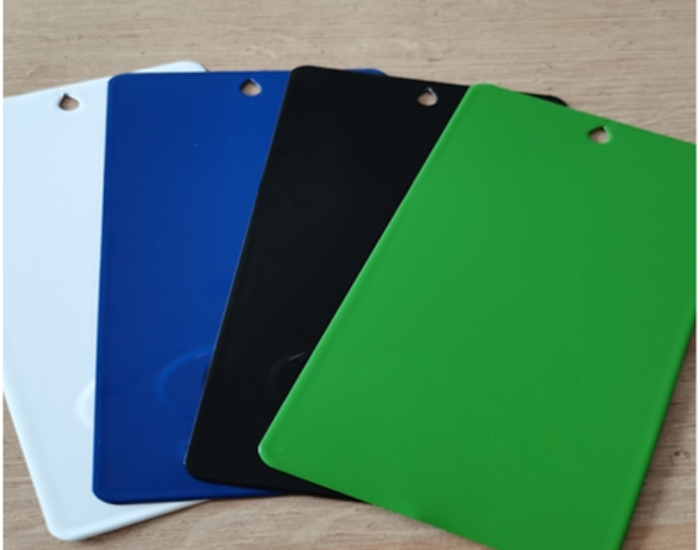
Primer and lacquering are essential steps in painting and finishing surfaces. Primer ensures strong adhesion, smooth texture, and long-lasting durability, while lacquering provides a glossy, protective finish that enhances beauty and resistance against scratches, stains, and moisture. Together, they deliver professional-quality results for wood, metal, and wall surfaces.
Electrophoretic Lacquering
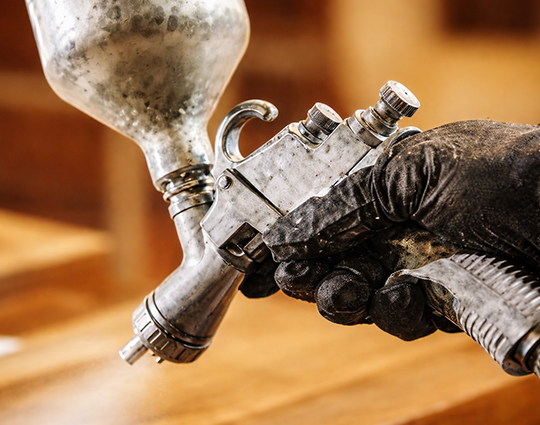
Electrophoretic lacquering, also known as e-coating, is an advanced finishing process where lacquer particles are deposited onto a surface using an electric field. This technique ensures uniform coating, excellent corrosion resistance, and a smooth, durable finish. Widely used in the automotive, electronics, and metal industries, electrophoretic lacquering enhances both protection and aesthetics of components.
Electroplating
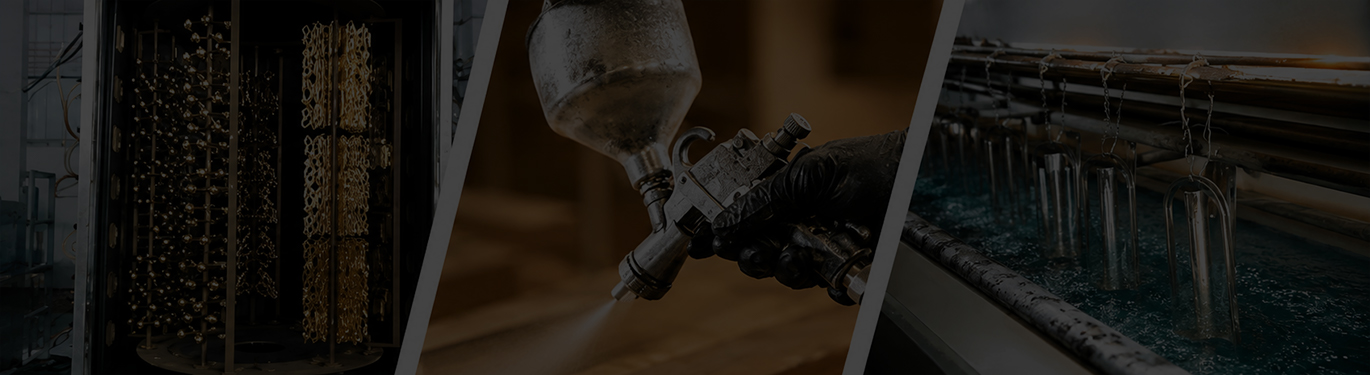
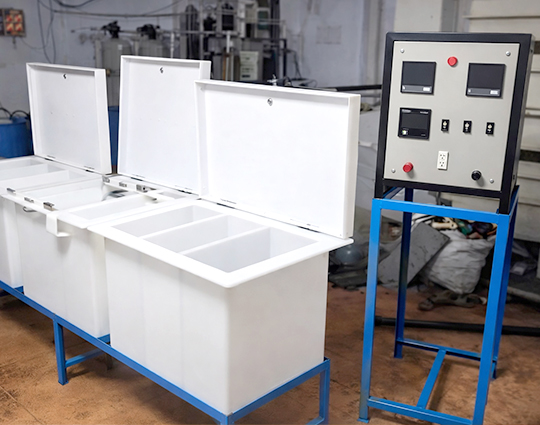
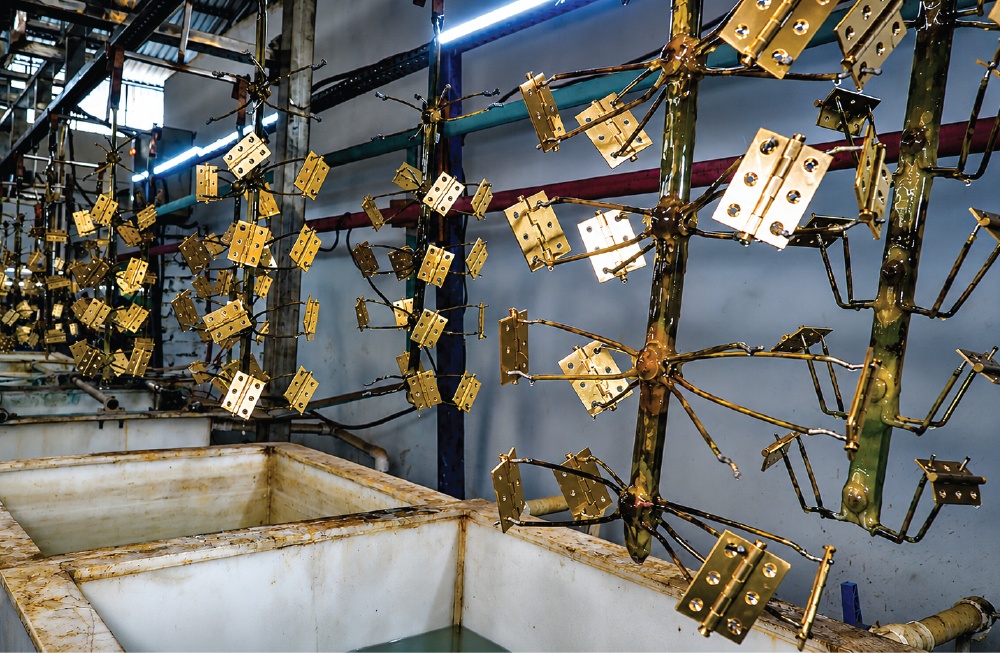
Electroplating is a surface finishing process where a thin layer of metal is deposited onto a workpiece using an electric current.
Electroplating is done on our own lines rather than sent out, so plating sits inside our schedule instead of at a third party in the middle of it. Largest part we can hang is [F12]. Available finishes include antique brass, chrome, satin nickel, gold, rose gold, black and bronze. Salt spray performance to ASTM B117 is [F27].
PVD
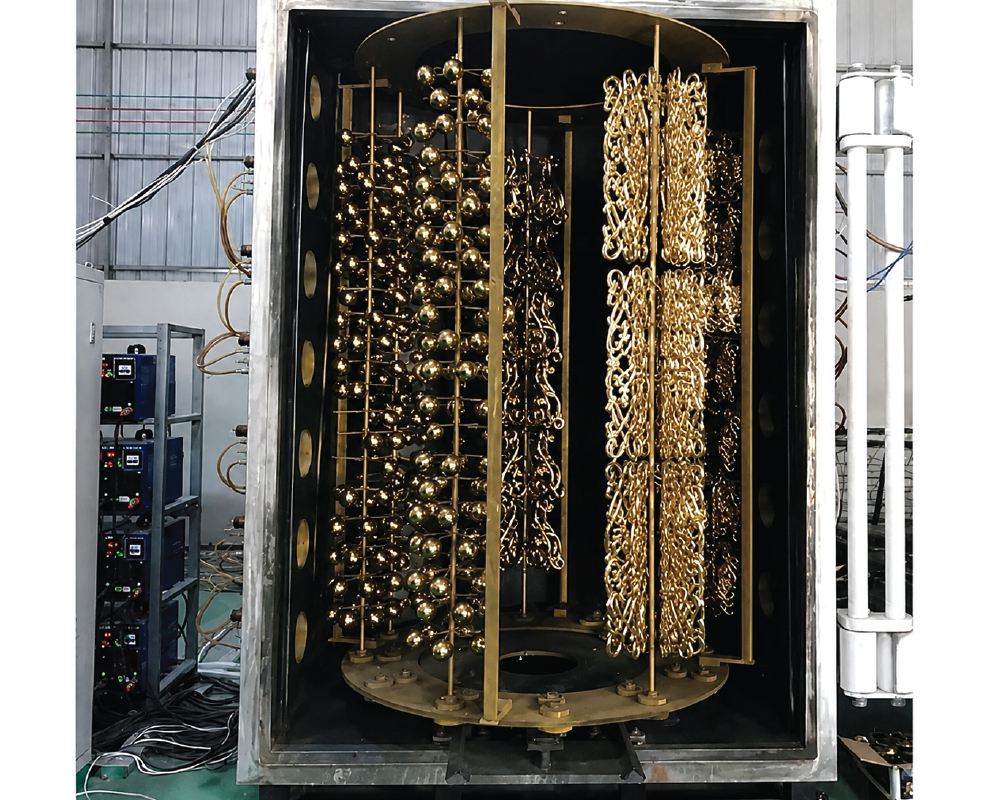
PVD (Physical Vapor Deposition) is a modern coating process that deposits thin, durable, and decorative films onto metal surfaces in a vacuum environment.
PVD coating in-house, chamber size [F14], giving a harder and more wear-resistant surface than plating alone. Finishes include gold, rose gold, black and bronze.
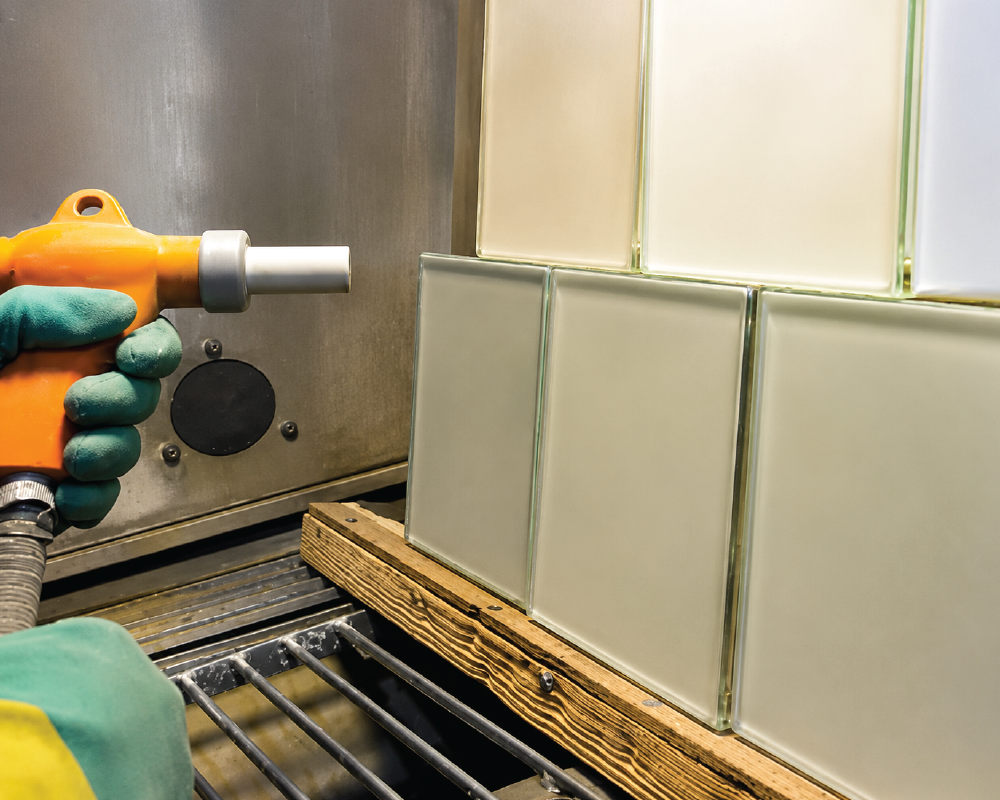
Sand Blasting
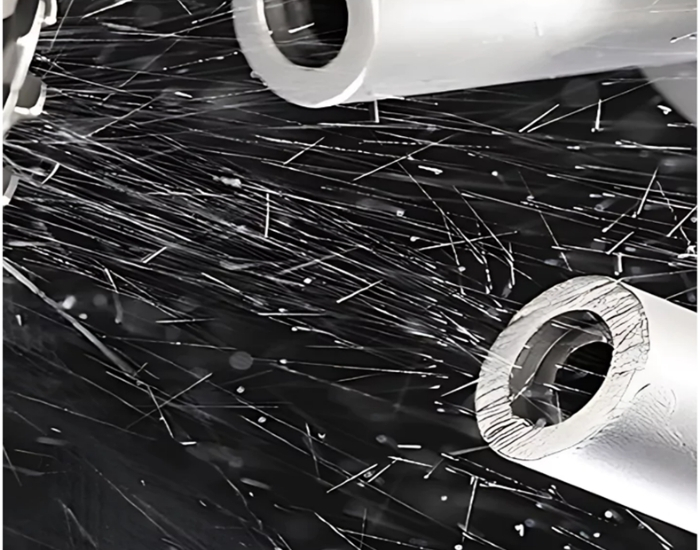
Sand blasting is a surface treatment process where abrasive particles are propelled at high speed onto a material’s surface to clean, smooth, or roughen it. It effectively removes rust, paint, scale, and contaminants, preparing the surface for coating, painting, or finishing. Widely used in automotive, construction, shipbuilding, and industrial applications, sand blasting ensures durability and improved adhesion.
Shot Blasting
Shot blasting is a surface preparation process where small metallic or non-metallic shots are propelled at high speed to clean, strengthen, or polish a material’s surface. It removes rust, scale, and impurities while improving durability and creating a uniform finish. Commonly used in automotive, aerospace, construction, and heavy engineering, shot blasting ensures better coating adhesion and extended product life.